A calm, plain language overview written for readers over 50.
See the Calm Brain Clarity Guide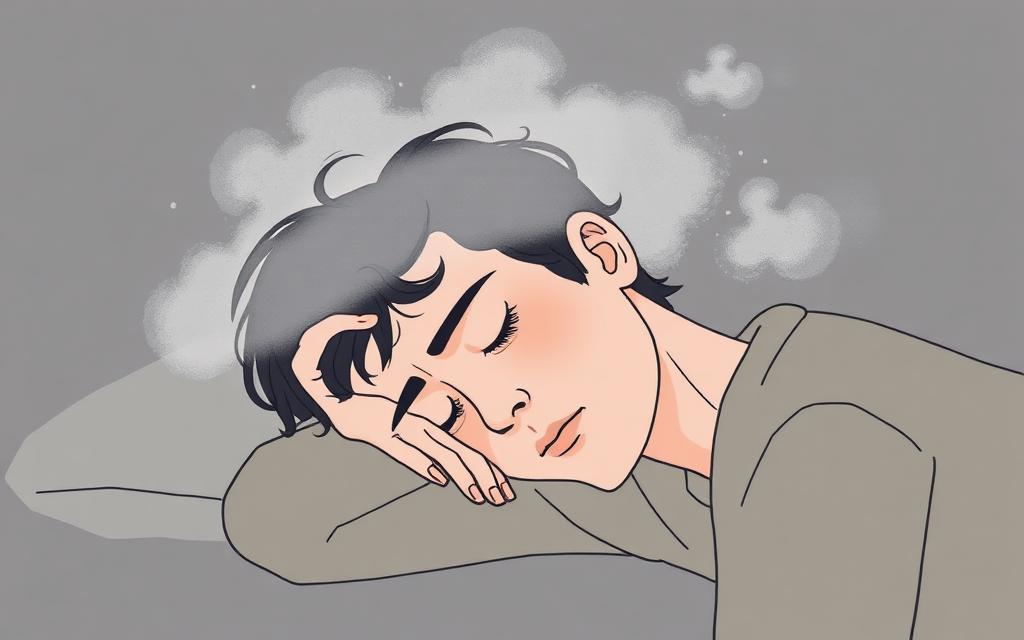
Chronic fatigue is a deep, persistent low energy that does not fully lift with rest. Unlike everyday tiredness, it lingers across days and weeks. When fatigue is this deep, the brain quietly downshifts. Processing slows, attention drifts, and clarity dims. That cloudy state is what most people call brain fog.
The brain uses about a fifth of the body's daily energy. When the energy supply runs thin, the brain prioritizes essential tasks like keeping you safe and conserves on tasks that feel optional, such as sharp focus or quick recall. The result is a softer, slower mental state. People often describe it as moving through their day under a thin layer of cotton.
Chronic fatigue often travels with low grade inflammation. The two reinforce each other. Inflammation drains energy. Low energy raises sensitivity to inflammation. To explore further, read about how inflammation can affect memory.
Many people with chronic fatigue sleep enough hours but wake unrefreshed. That suggests sleep quality, not quantity, is the issue. Light sleep does not give the brain enough deep restoration time. Without that deep cycle, the next day starts with the brain already low on resources.
Even small ongoing aches can drain the same reserves your brain wants for thinking. Read about why pain makes thinking harder for the full picture.
Forgetting a word you use weekly. Reading a sentence three times. Losing track of what you were saying. Walking into a room and standing still for a moment, unsure why you came. These are familiar to many readers over 50, and they often improve when fatigue improves.
Consistent sleep windows, slow morning hydration, light daily movement, sunlight in the first hour after waking, and meals that support steady energy are simple anchors. The point is not perfection. It is steady, gentle reinforcement that allows your brain to refill its tank.
If fatigue worsens, comes with weight changes, or arrives with new physical symptoms, a professional check is wise. Slow gradual fatigue tied to lifestyle and inflammation is far more common and often responds well to calm care.
If brain fog has been quietly stealing your sharpness, do not push harder. Push smarter. Start with the calm guide on the homepage. The path back to clarity is usually slower than people expect, and far more reachable than they fear.
Return to the main resource and discover the trusted guide.
View the Brain Clarity Guide BrainCalm